RSS

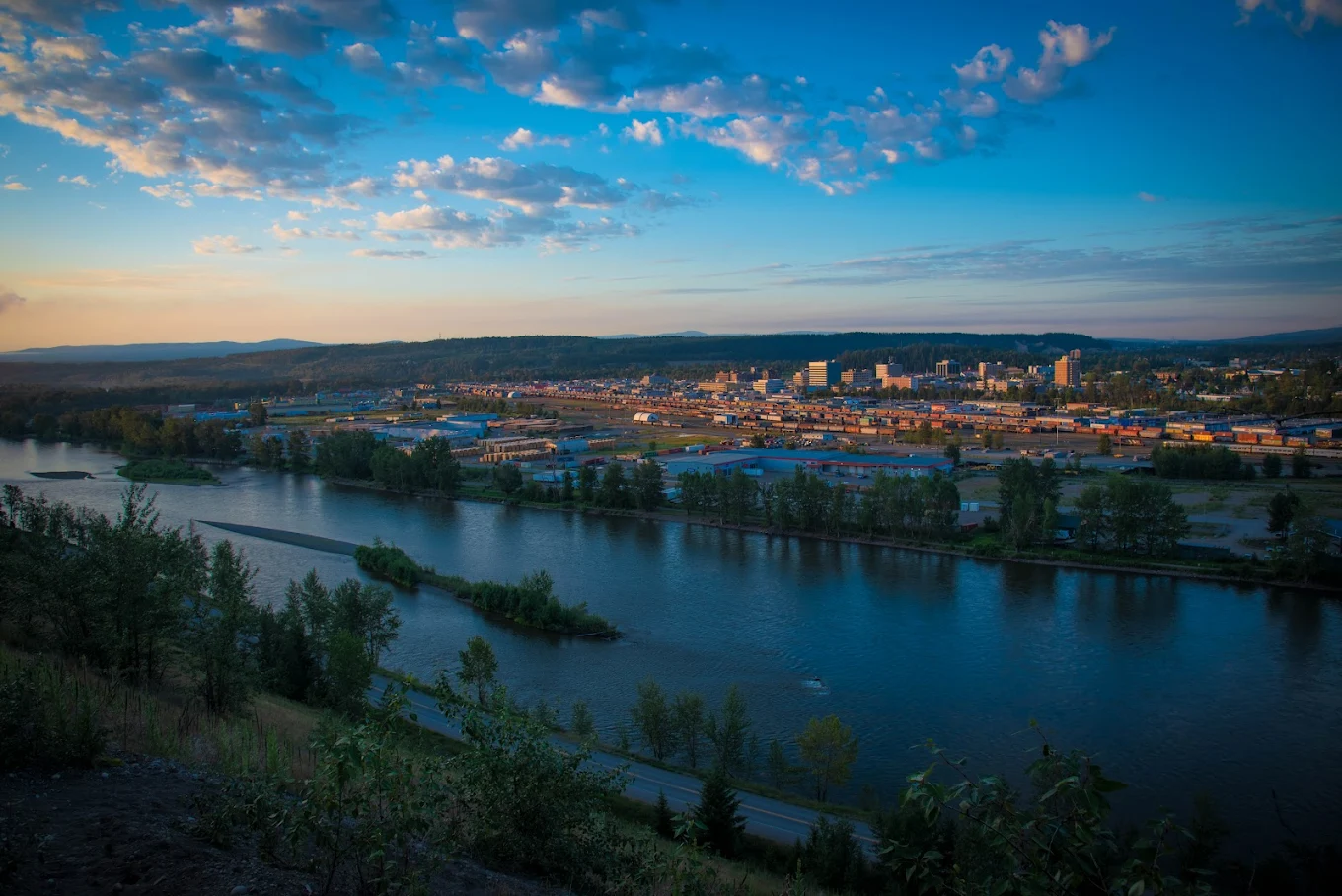
Nechako View - Prince George, BC

Did you know the Nechako View area between 2nd Avenue, Carney Street, the Nechako River, and Highway 97 was developed mainly in the 1950s to 1970s and was considered one of Prince George’s more prestigious areas at the time?

This area is known for its large lots, mature trees, and a mix of mid-century ranchers, split-level homes, and beautifully updated properties. You won’t find cookie-cutter streets here. Every home feels a little different, and that’s part of the charm.

As Prince George grew with the forestry boom, many professionals, mill managers, and business owners chose North Nechako because it offered something you couldn’t find in the Bowl Area: larger lots, privacy, and beautiful views of the Nechako River. Nechako View is one of Prince George’s quiet, established neighbourhoods that people tend to move into and stay for a very long time.

Many of the homes built here were ranchers and split-level designs, which were very popular in the 50s and 60s. These homes were known for their solid construction, big windows, and spacious yards. Today, many have been beautifully renovated, while some new homes have been built in between, creating a unique mix of character homes and modern builds.

One of the biggest draws to this neighbourhood is the setting. With the Nechako River nearby and trail systems and parks just minutes away, it’s perfect for people who want a peaceful, nature-filled setting while still being only a short drive to downtown.

Another thing that makes this area special is the landscape. Those big mature spruce and pine trees you see today? Many of them are the original trees that were left when the neighbourhood was developed, which is why the area still feels so private and established.

Today, Nechako View is popular with families, professionals, and retirees who are looking for space, privacy, and a well-established neighbourhood with character. The home styles range from ranchers to split levels to renovated character homes and some newer infill.

If you love mature neighbourhoods with history, trees, and space to breathe, Nechako View is definitely one to watch. So when you drive through Nechako View, you’re not just driving through a neighbourhood. You’re driving through a piece of Prince George history.

#PGSubdivisionSpotlight

Read

Seymour - Prince George, BC

Seymour is a quiet, classic neighbourhood with central convenience. It is one of the mid-century neighbourhoods that helped shape modern Prince George. During a period of growth after the 1950s, the city approved several new subdivisions including Seymour, Spruceland, and Highland between roughly 1958 and 1965 as part of planned urban expansion.

The name “Seymour” likely connects to Mary Margaret “Granny” Seymour, a well-known northern BC pioneer and herbal healer and was widely respected in early communities. Granny Seymour practiced traditional herbal medicine, using natural remedies like mold, pine pitch, and other simple treatments to care for injuries and infections. She also served as a midwife to both Indigenous and non-Indigenous families, helping bring many babies into the world in the early days of Prince George. Remarkably independent, she lived alone well past 100, splitting her own wood and walking miles to church, and when she passed away in 1966 at the age of 114, local newspapers remembered her as a true legend.

Unlike the older downtown grid layouts, these newer neighbourhoods were designed with curving streets, quieter residential pockets, and community parks, which was considered more modern and family-friendly planning at the time. It is also well established.

The homes in this neighbourhood are mostly 1960s-1970s builds, with some updated or infill homes from later decades. You'll find split-level, rancher-style, bungalows with basements, and a few larger updated family homes here. Lots are generally larger than the newer subdivisions with established landscaping and mature trees. The houses average around 3-4 bedrooms with detached garages or carports. This appeals to buyers who want character and space rather than brand-new cookie-cutter construction.

One of Seymour’s quiet strengths is access to parks ranging from Seymour Park to other nearby parks such as Freeman Park, Carrie Jane Gray Park, and Elroy Garden Park. These parks help give the neighbourhood that many people look for.

One reason Seymour remains popular is location, location, location! You’re tucked into a quiet residential pocket but minutes from everything. Super close to the largest high school in Prince George: PGSS and also across from College of New Caledonia. It is also very close to Masich Place Stadium. Nearby commercial areas include: Spruceland Shopping Centre, Pine Centre Mall, Save-On Foods, Shoppers Drug Mart and local restaurants.

It’s the kind of neighbourhood where people tend to stay once they move in.

#PGSubdivisonSpotlight

Read

VLA - Prince George, BC

If you’ve heard someone say “It’s a VLA house,” they’re not just describing a style. They’re referencing a major chapter in Canadian history. Think post-war roots, veteran stories, and solid homes that still stand strong.

The VLA area in Prince George traces back to the Veterans’ Land Act (VLA), a federal program designed to help returning soldiers build new lives after World War II. And yes, the history runs deep. The Veterans' Land Act was introduced in 1942 by the Government of Canada to support returning WWII veterans.

The program provided:

  • Low-interest loans

  • Land grants

  • Assistance purchasing farmland or homes

  • Financial help to build modest houses

The goal was simple but powerful: give veterans stability, land ownership, and a strong start for their families. After WWII, Prince George was growing rapidly due to forestry, rail, and industry. Returning servicemen needed housing. The VLA program made that possible.

The VLA neighbourhood in Prince George developed in the late 1940s and early 1950s. Homes were built modestly but efficiently, often on larger lots compared to modern subdivisions.

These homes were practical:

  • 1 to 1.5 storey designs

  • Compact footprints

  • Functional layouts

  • Built with durability in mind

More than 70 years later, and many of them are still standing strong. The VLA area sits in the Bowl, close to downtown and central amenities. It’s known for its grid-style streets and straightforward layout. Because of its central location, you’re minutes from:

  • Downtown Prince George

  • Schools

  • Shopping

  • Parks

  • Medical services

Some houses have changed over the years, but you can still spot their roots in common features including:

  • Simple rooflines

  • Steep pitches

  • Dormer windows in some models

  • Solid wood framing

  • Large yards

There’s something meaningful about owning a property that was part of that legacy. You’re not just buying square footage. You’re buying a piece of Canadian resilience. The VLA remains one of Prince George’s most affordable central neighbourhoods, with strong rental potential and long-term appeal.

History is rich. Opportunity is real. And central location never goes out of style. Reach out today and let’s explore what’s possible.

#PGSubdivisonSpotlight

Read

South Fort George - Prince George, BC

Did you know that South Fort George started as a rival townsite? In 1909, it was laid out on the Fraser River side to compete with Central Fort George (located where downtown is today) for the future railway boom. The Great Townsite Rivalry (1909–1912-ish) was where South Fort George and Central Fort George both pushed hard to be the railway town.

Both communities were seeking to become the primary railway town along the Fraser River. As plans for the Grand Trunk Pacific Railway advanced, developers anticipated growth and opportunity. However, the railway ultimately sought to control its own townsite and targeted Fort George Indian Reserve No. 1 as the foundation for its operations.

After years of pressure and negotiation, the Lheidli T’enneh reluctantly agreed to the sale of their reserve lands in 1912. In 1913, community members were forcibly removed from their village, which was subsequently destroyed. While replacement housing and a church were constructed on nearby reserves as part of the agreement, the loss of land, home, and community was profound and enduring.

This history reminds us that the growth of Prince George is inseparable from the displacement of the Lheidli T’enneh. We recognize their resilience, honour their ongoing presence, and commit to learning from the past as we move forward together.

Paddlewheel Park and the nearby riverfront pay tribute to the area’s role in Prince George’s early transportation and trade history, when sternwheelers docked here bringing people, goods, and opportunity north. Today, that heritage adds depth and identity you simply can’t replicate in newer subdivisions. There was even rumors of an underground rum running tunnel connecting from Paddlewheel Park to a hotel. Some of the earliest businesses, banks and stores started here, and even a local newspaper began here.

The city’s downtown location ultimately came out of that rivalry and the railway’s decisions. South Fort George later became a village in 1968 and stayed independent until 1976, when it was incorporated into the City of Prince George. South Fort George is very much a “layers of time” neighbourhood.

Common housing eras you’ll see include:

• A handful of pre-WWI homes (early 1910s): rare, heritage-leaning wood details and early craftsmanship. The City notes the Howieson House (built 1912) as one of the few remaining pre-Great War examples in South Fort George.

• Postwar to mid-century (roughly 1940s–1960s): lots of practical, efficient homes, commonly 1-storey bungalows and modest story-and-a-half builds (working-class, “built-to-last,” not “built-to-brag”).

• Split-Levels/Ranchers (1960s–1970s): more split-levels and ranchers, and this is also where you start seeing more income-friendly layouts (suites, back entries, etc.), plus small multi-family pockets.

A mix of older character homes, updated bungalows, and some rental-oriented properties translate to: not cookie-cutter! And your “before and after” renovation reels can really shine here!

With close proximity to downtown amenities, schools, parks, and transit, this neighbourhood appeals to buyers looking for convenience without sacrificing character. Whether it’s first-time buyers, investors, or homeowners drawn to historic charm and central living, South Fort George offers a unique blend of affordability, location, and story.

#PGSubdivisonSpotlight

Read

Crescents - City of Prince George, BC

The Crescents: Historic Charm in the Heart of Prince George

If you’ve ever wandered through Prince George and stumbled upon winding, curved streets lined with character homes, you’ve probably found yourself in The Crescents. This neighbourhood is one of the city’s oldest residential areas, and it wears its history beautifully. Developed in 1913 by the design firm Brett & Hall for the Grand Trunk Pacific Railway’s Fort George community, The Crescents was built with intention, craftsmanship and a keen sense of style. More than a century later, it still feels like one of the most architecturally distinct corners of the city.

The Crescents is famous for its eclectic mix of architectural designs. Dutch Colonial homes sit comfortably beside classical revival styles, with a handful of other influences sprinkled throughout. Many of the houses built in the 1920s and 1930s were created from magazine floorplans, which explains why each home looks unique without feeling out of place. There’s an undeniable charm in walking down a street where no two homes are quite the same, yet all share that early-20th-century craftsmanship.

While many of these original homes remain lovingly preserved, the neighbourhood has welcomed thoughtful modern infill over the years. Today you’ll find a blend of heritage homes, updated character properties, newer duplexes and small multi-family buildings. There is also a mix of apartment options and full-care seniors housing, giving the area a diverse and welcoming feel.

The Crescents is one of Prince George’s most rapidly gentrifying neighbourhoods, thanks to its unbeatable location and timeless aesthetic. It sits just minutes from downtown shopping, restaurants and entertainment, making it ideal for anyone who wants walkability without compromising on greenery or charm. The neighbourhood is also adjacent to the University Hospital of Northern BC, which adds convenience for healthcare workers, students and families alike.

At the heart of the community is École Duchess Park Secondary, the city’s French Immersion and Francophone high school. The school grounds feature an award-winning playground, a bike park and a dog park, making it a central gathering point for residents of all ages.

The Crescents offers a rare mix of old-world beauty and modern convenience. Whether you’re drawn to the architectural history, the leafy streets, or the close proximity to downtown and the rivers, this neighbourhood has a magnetic appeal that keeps people here for the long haul.

#PGSubdivisonSpotlight

Read

Millar Subdivison - Prince George, BC

Millar Addition: Where Prince George’s History Lives and Breathes

Millar Addition isn’t just a neighbourhood. It’s one of the original chapters in Prince George’s story. Established in 1914 by developer Charles Vance Millar, this central subdivision has been part of the city’s fabric since the days when the Grand Trunk Pacific Railway was shaping the region’s future. More than a century later, it still carries that charming, lived-in character that only comes with time.

Walk down Dogwood or Elm between 15th and 17th Avenue and you’ll notice something special. The towering heritage trees lining the boulevards were planted shortly after World War II, and they’ve stood watch ever since. These mature canopies create some of the most picturesque streets in Prince George, giving Millar Addition a timeless, almost storybook feel.

Many homes here date back to the 1920s through the 1950s, offering everything from cozy character cottages to larger, well-loved family homes. Each house tells its own story, thanks to decades of craftsmanship, renovations and neighbourhood pride. Instead of uniformity, you get personality in every direction.

Millar Addition borders Lheidli T’enneh Memorial Park, one of the city’s most treasured outdoor spaces. The park is known for river views, trails and big community events. And come July 1, the area truly shines. The annual Canada Day celebration draws crowds from all over Prince George, with live entertainment, food vendors and the beloved Little Prince steam train giving joyful rides through the park.

Just up the hill is Connaught Hill Park, a local favourite known for its sweeping panoramic views of the city. Between both parks, you’re surrounded by green space, fresh air and places to explore.

Adding even more richness to the neighbourhood is The Exploration Place, Prince George’s landmark museum and science centre. Located right on 20th Avenue at the edge of the park, it offers exhibits, hands-on learning and year-round programming.

Families in Millar Addition have access to nearby Ron Brent Elementary on 17th Avenue, as well as the catchment high school, Duchess Park Secondary. Sacred Heart, a private elementary school, is also just minutes away. The combination of schools, parks and tight-knit community values makes the area especially welcoming for families and long-time residents alike.

Whether you’re drawn to historic homes, tree-lined streets or the unbeatable access to culture and parkland, Millar Addition remains one of Prince George’s most distinctive and community-rich neighbourhoods.

#PGSubdivisonSpotlight

Read